
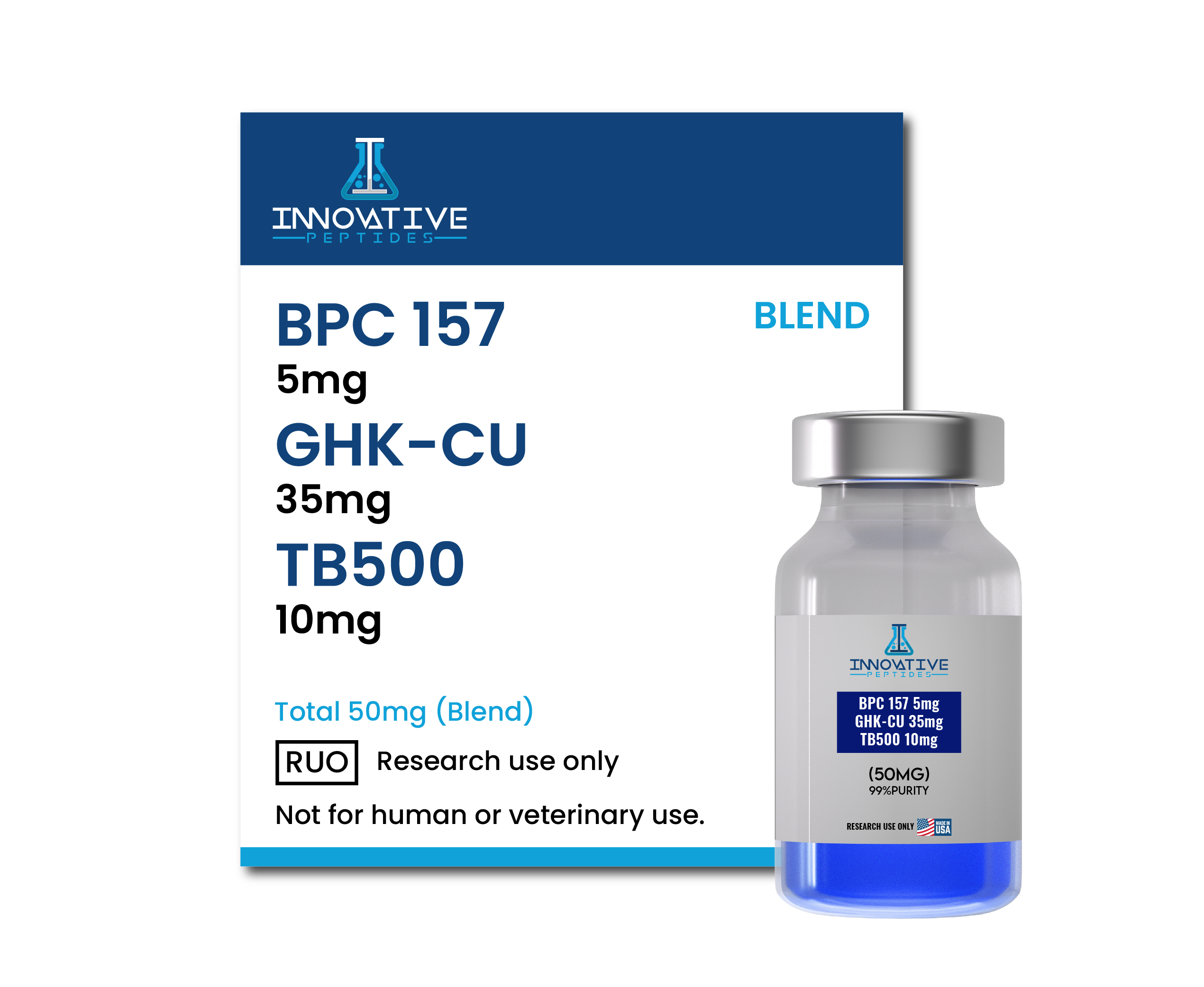

BPC 157 +GHK-CU +TB500
Price range: $80.00 through $100.00
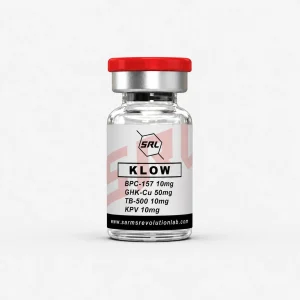
Discover BPC 157, GHK-CU, and TB500, a powerful blend of peptides designed to support recovery and healing. Perfect for lab research and healing applications.
Overview
BPC 157, GHK-CU, and TB500 offer an advanced approach to tissue repair and recovery. Each peptide plays a unique role in enhancing the body’s natural healing processes. Whether you’re a researcher, scientist, or hobbyist, this combination can provide valuable insights into tissue regeneration mechanisms. The synergistic effects of these peptides support faster healing and improved recovery times, making them ideal for various applications in the lab.
Key Features
- BPC 157 promotes angiogenesis and muscle recovery.
- GHK-CU aids in skin and wound healing.
- TB500 supports cell migration and tissue regeneration.
- Ideal for laboratory use and research on recovery.
- High purity and quality for reliable results.
Specifications
| Ingredient | Function |
|---|---|
| BPC 157 | Tissue repair |
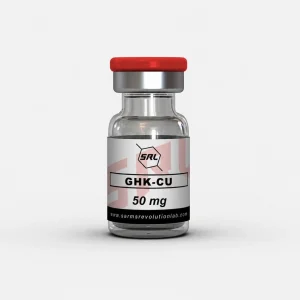
| GHK-CU | Wound healing |
| TB500 | Cell regeneration |
FAQ
What are the benefits of using BPC 157?
BPC 157 is known for its ability to enhance recovery, support muscle repair, and promote blood vessel growth.
Can GHK-CU help with skin issues?
Yes, GHK-CU is effective in promoting skin health and accelerating wound healing.
How does TB500 work in tissue repair?
TB500 facilitates cell migration and promotes the repair of damaged tissues by enhancing the body’s natural regenerative processes.
Related Products
Browse more in Peptides for Recovery and Healing.
| Specification | 50mg, 70mg |
|---|
Related products

Bacteriostatic Water and Safety Supplies