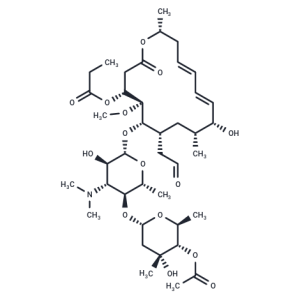
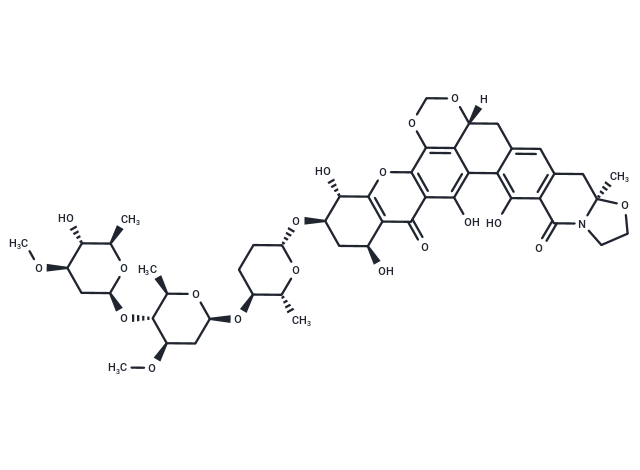
Kigamicin D
$150.99
Kigamicin D is effective against Gram-positive bacteria, including MRSA, with a MIC range of 0.025-0.78 μg/mL, and it targets tumor cells with an IC50 of 1 μg/mL.
Overview
Kigamicin D is a powerful antibacterial compound known for its effectiveness against Gram-positive bacteria, including Methicillin-resistant Staphylococcus aureus (MRSA). Its unique properties make it a valuable addition to any lab’s antibiotic arsenal, particularly in research and clinical applications. Beyond its antibacterial capabilities, Kigamicin D also shows promise in targeting certain tumor cell lines, providing a dual function that can be advantageous in various experimental settings.
Key Features
- Effective against MRSA and other Gram-positive bacteria
- MIC range of 0.025-0.78 μg/mL
- Targets tumor cells with an IC50 of 1 μg/mL
- Versatile applications in research and clinical settings
Specifications
| Property | Value |
|---|---|
| Active Compound | Kigamicin D |
| Bacterial Activity | Gram-positive bacteria |
| MRSA MIC | 0.025-0.78 μg/mL |
| Tumor Cell IC50 | 1 μg/mL |
FAQ
What types of bacteria does Kigamicin D target?
Kigamicin D is primarily effective against Gram-positive bacteria, notably including MRSA.
Can Kigamicin D be used in cancer research?
Yes, Kigamicin D has demonstrated activity against certain tumor cells, making it a potential candidate for cancer research.
What is the minimum inhibitory concentration (MIC) of Kigamicin D?
The MIC range for Kigamicin D against MRSA is between 0.025-0.78 μg/mL.
Explore the potential of Kigamicin D for your research needs. Shop now at Livv Store!
Related Products
Browse more in Uncategorized.
Related products