

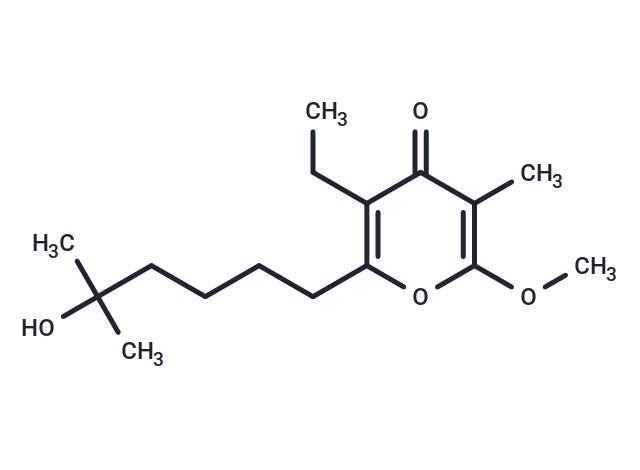
Nocapyrone Q
$120.99
Nocapyrone Q, derived from Streptomyces sp. FD-2-6, is a promising polyketide compound with potential anticancer properties, targeting HepG2 and HeLa cells.
Overview
Nocapyrone Q is a unique polyketide compound extracted from the rare mold Streptomyces sp. FD-2-6, found in karst cave environments. This compound has garnered attention in scientific research due to its inhibitory effects on cancer cell lines, specifically human hepatocellular carcinoma (HepG2) and human cervical cancer (HeLa) cells. Researchers are exploring its potential as a lead for anticancer therapies, making it an interesting option for labs engaged in cancer research and drug development.
Key Features
- Inhibition of HepG2 and HeLa cancer cell lines
- Derived from natural mold source
- Potential application in anticancer studies
- Supports research in drug development
Specifications
| Property | Details |
|---|---|
| Compound Type | Polyketide |
| Source | Streptomyces sp. FD-2-6 |
| Inhibition Concentration | 100 μM |
| Application | Anticancer research |
FAQ
What is Nocapyrone Q used for?
Nocapyrone Q is primarily used for research in anticancer studies, particularly in the analysis of its effects on liver and cervical cancer cell lines.
How is Nocapyrone Q sourced?
This compound is isolated from the karst cave mold Streptomyces sp. FD-2-6, which is known for its unique biochemical properties.
What concentration is effective for research?
Research has shown that a concentration of 100 μM is effective in inhibiting the growth of certain cancer cell lines.
If you’re looking to buy Nocapyrone Q for your next research project, explore our offerings and take a step toward advancing your studies in cancer research.
Related Products
Browse more in Uncategorized.
Related products